
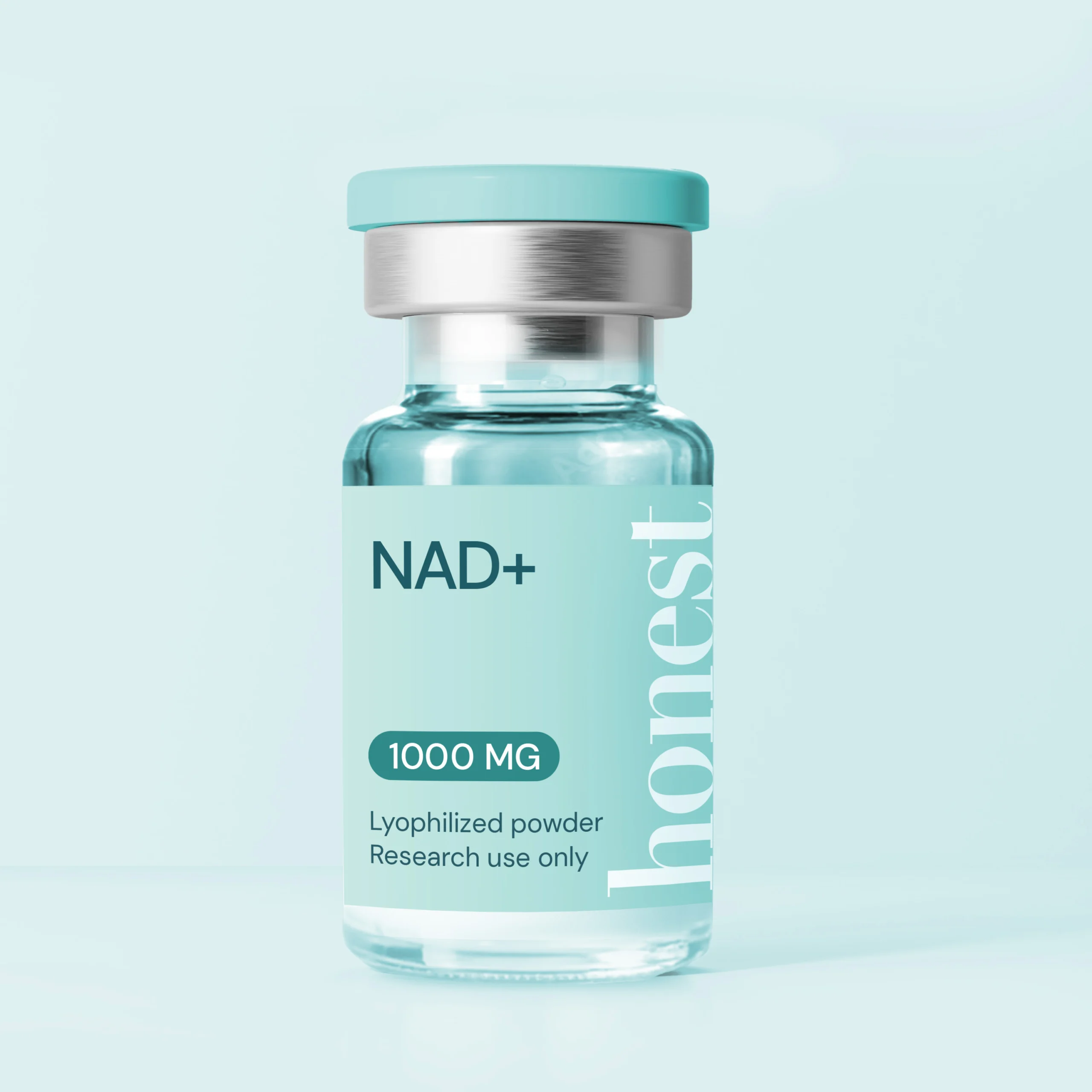
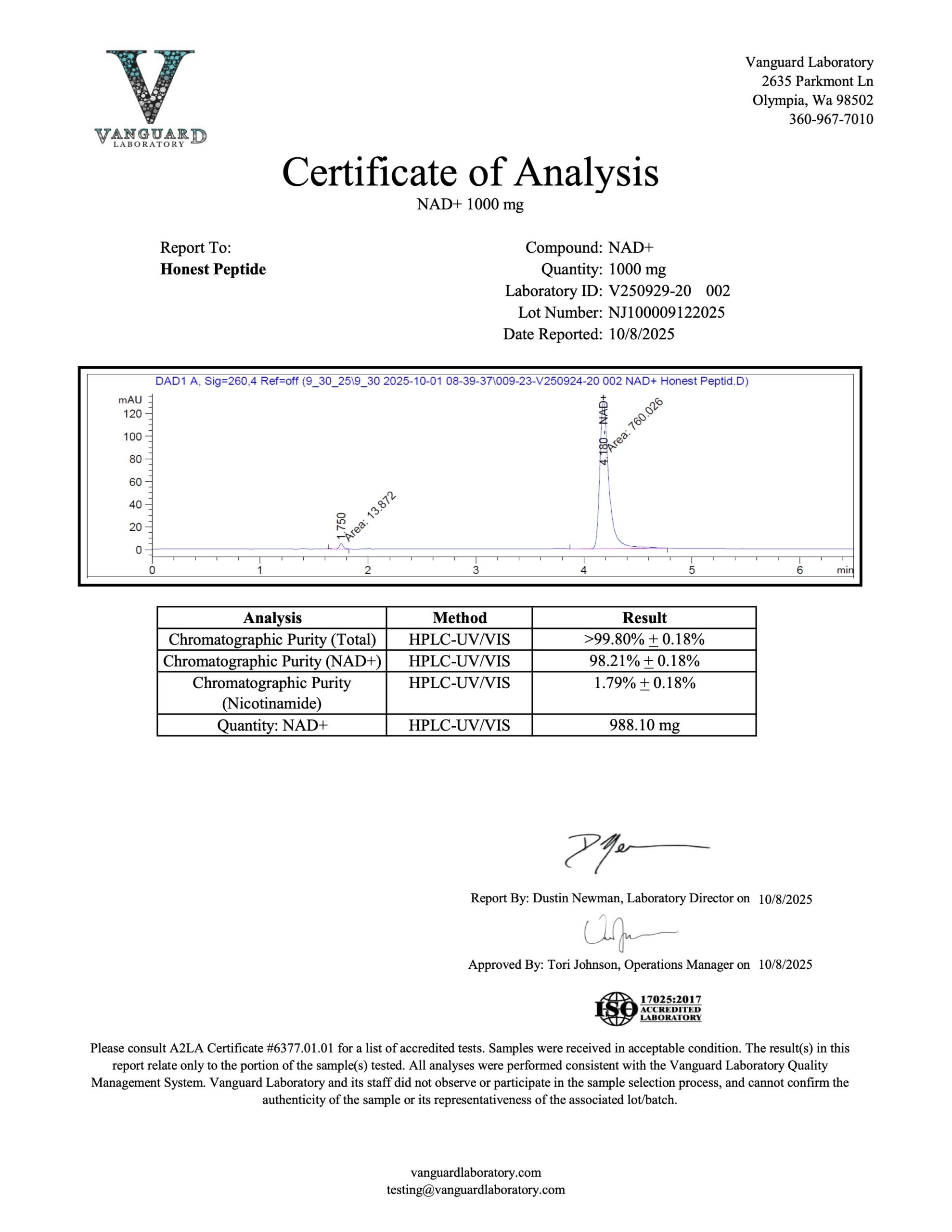
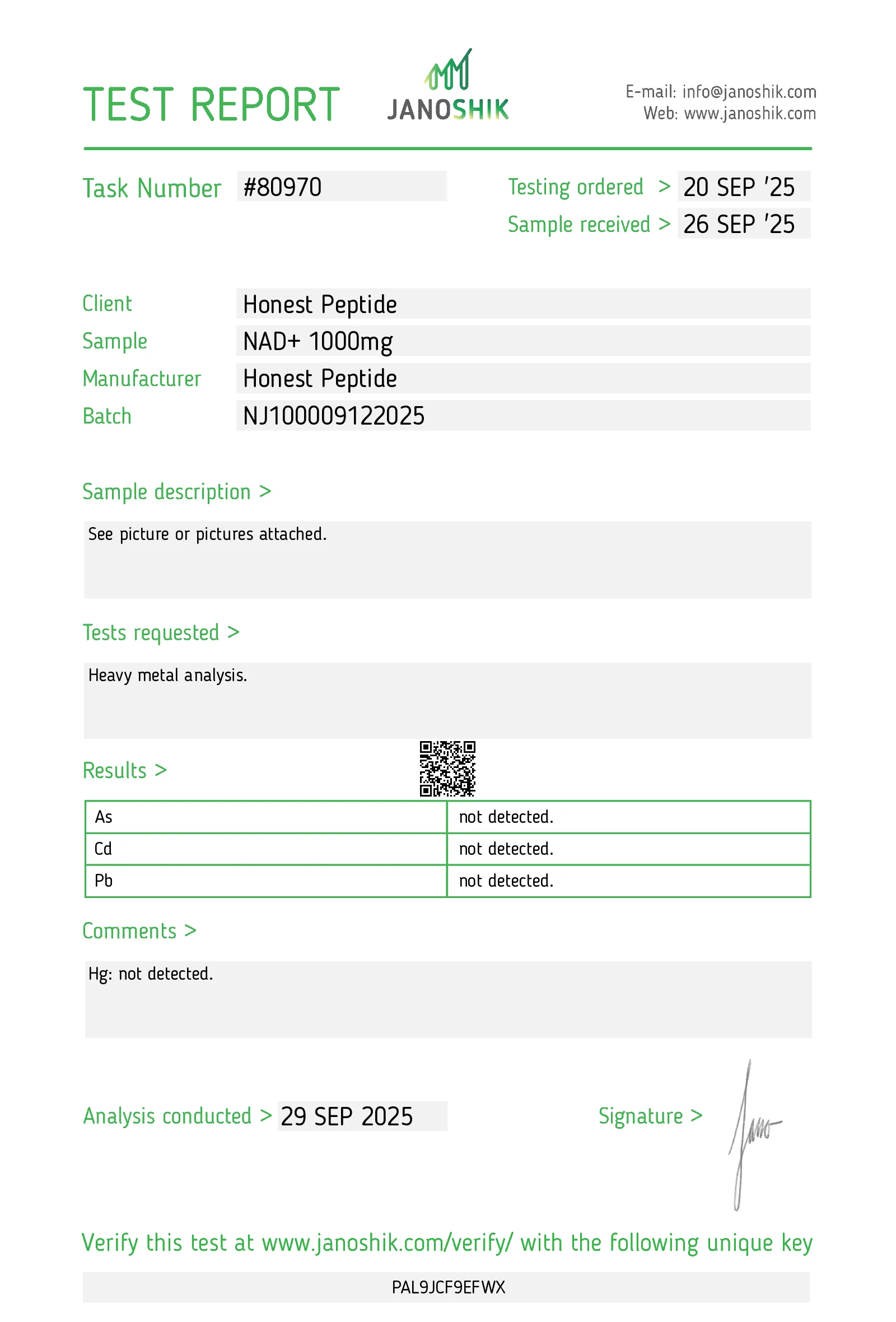
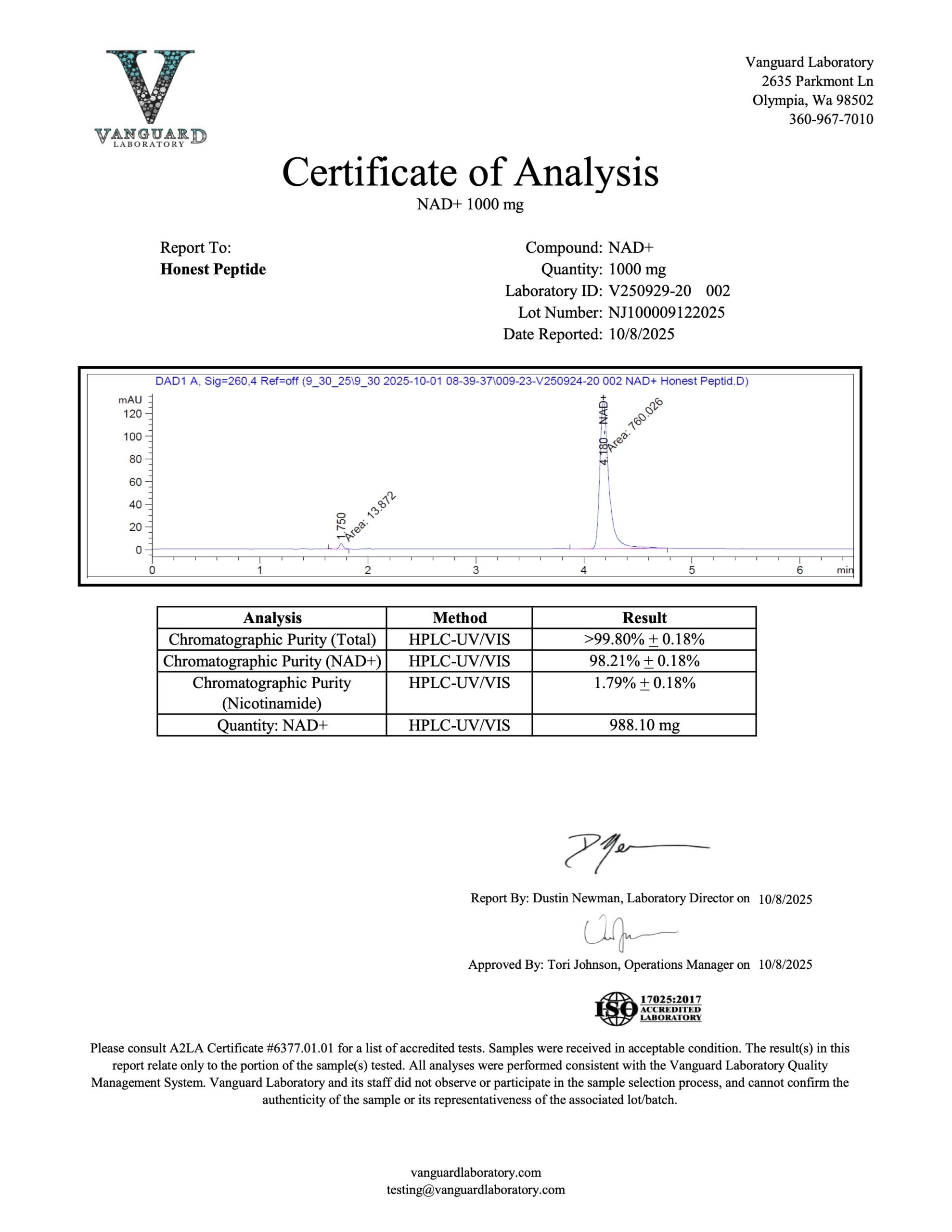
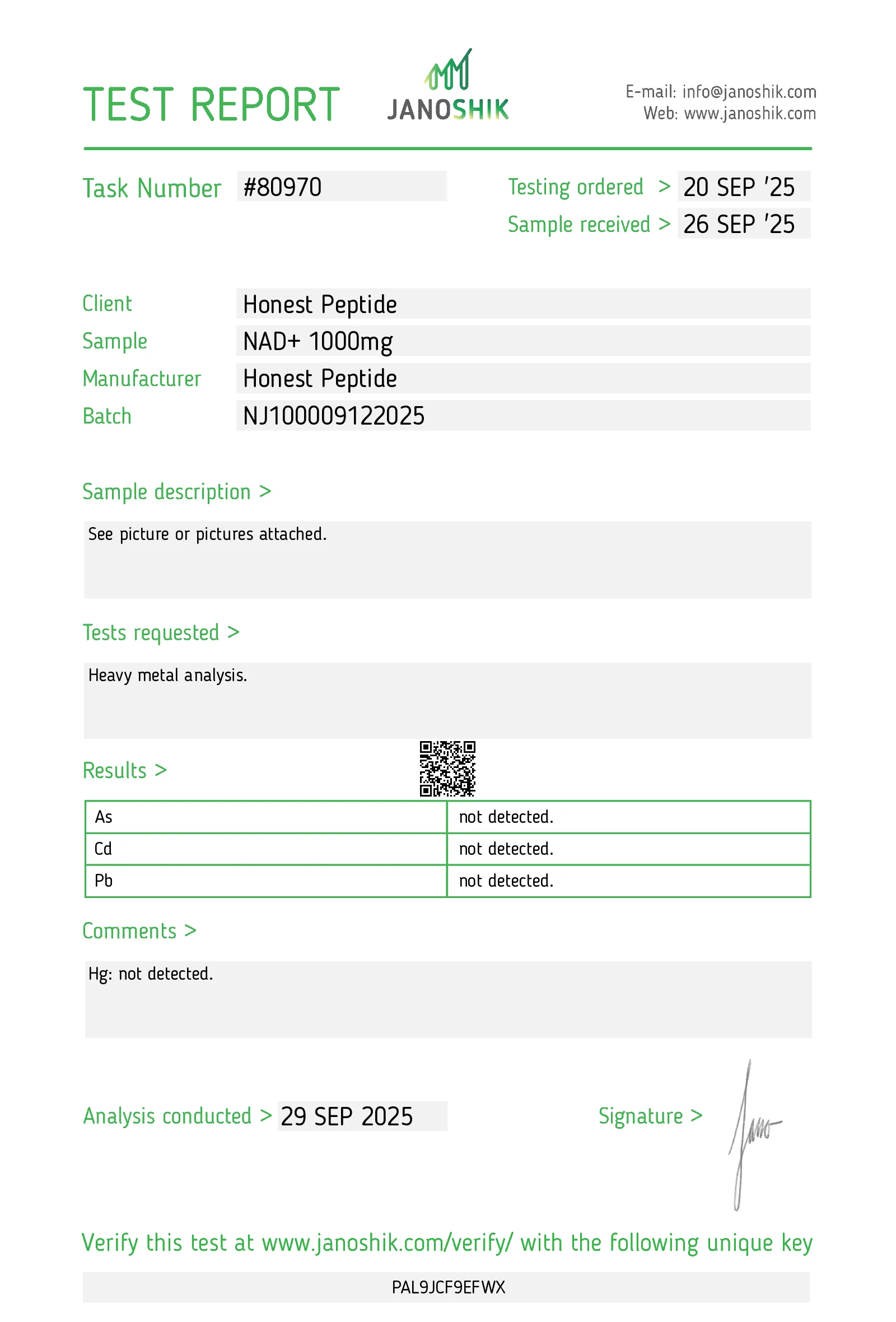
NAD+ 1000mg

82.00

NAD⁺ (oxidized nicotinamide adenine dinucleotide) is a ubiquitous pyridine nucleotide coenzyme that accepts hydride ions in key metabolic pathways—glycolysis, the tricarboxylic acid cycle, and fatty-acid β-oxidation—to generate NADH for ATP production via oxidative phosphorylation. Beyond its redox role, NAD⁺ serves as an essential cosubstrate for NAD⁺-consuming enzymes such as sirtuin deacetylases and poly-ADP-ribose polymerases, thereby regulating gene expression, DNA-damage repair, and cellular stress responses. NAD⁺ availability also modulates mitochondrial biogenesis and metabolic homeostasis through SIRT1-PGC-1α signaling and impacts aging-related processes, as cellular NAD⁺ levels decline with age.

 
        SPECIAL OFFER

          Please select all product options

          Product was out of stock

          share
          Description

          Legal Disclaimer


          All products on this site are for research and development, laboratory, or analytical use only; they are not for human consumption, medical, diagnostic, cosmetic, veterinary, or any other non-research application. The statements and products have not been evaluated by the U.S. Food and Drug Administration and are not intended to diagnose, treat, cure, or prevent any disease. Honest Peptide is not a compounding pharmacy or chemical compounding facility as defined under section 503A of the Federal Food, Drug, and Cosmetic Act, nor an outsourcing facility as defined under section 503B.


          Description
          NAD⁺ (oxidized nicotinamide adenine dinucleotide) is a ubiquitous pyridine nucleotide coenzyme that accepts hydride ions in key metabolic pathways—glycolysis, the tricarboxylic acid cycle, and fatty-acid β-oxidation—to generate NADH for ATP production via oxidative phosphorylation. Beyond its redox role, NAD⁺ serves as an essential cosubstrate for NAD⁺-consuming enzymes such as sirtuin deacetylases and poly-ADP-ribose polymerases, thereby regulating gene expression, DNA-damage repair, and cellular stress responses. NAD⁺ availability also modulates mitochondrial biogenesis and metabolic homeostasis through SIRT1-PGC-1α signaling and impacts aging-related processes, as cellular NAD⁺ levels decline with age.
           

          Product details

          Chemical Name:

          Nicotinamide Adenine Dinucleotide (oxidized form)

          Molecular Formula:

          C₂₁H₂₇N₇O₁₄P₂

          Molecular Weight:

          663.43 g/mol

          PubChem CID:

          5883

          CAS Number:

          53-84-9
          Synonyms:
          NAD⁺, Coenzyme I

          Vial Size:

          10 mL

          Contents:

          Lyophilized powder, white/off-white color
           

          Mechanism of action

          Redox Coenzyme in Bioenergetics

          NAD⁺ accepts hydride ions from key metabolic pathways—glycolysis, the tricarboxylic acid (TCA) cycle, and fatty‐acid β-oxidation—to form NADH, which then donates electrons to the mitochondrial electron‐transport chain for ATP synthesis via oxidative phosphorylation

          Substrate for NAD⁺-Consuming Enzymes

          Serves as an obligatory co-substrate for sirtuin deacetylases (e.g., SIRT1/3), poly-ADP-ribose polymerases (PARPs), and the NADase CD38, thereby regulating protein deacetylation, DNA-damage–response ADP-ribosylation, and calcium signaling.

          Modulation of Gene Expression & Stress Responses

          Through SIRT1-mediated deacetylation of transcriptional regulators (e.g., PGC-1α) and PARP-driven DNA repair, NAD⁺ levels fine-tune mitochondrial biogenesis, antioxidant defenses, and genomic stability under stress conditions.

          Salvage Pathway & Mitochondrial Health

          The NAMPT-dependent salvage pathway recycles nicotinamide into NAD⁺, sustaining intracellular pools; conversely, age-associated CD38 upregulation degrades NAD⁺, contributing to mitochondrial dysfunction.
           

          Storage & handling

          Storage

          Store the lyophilized vial in a cool, dry area protected from direct sunlight.